Overview
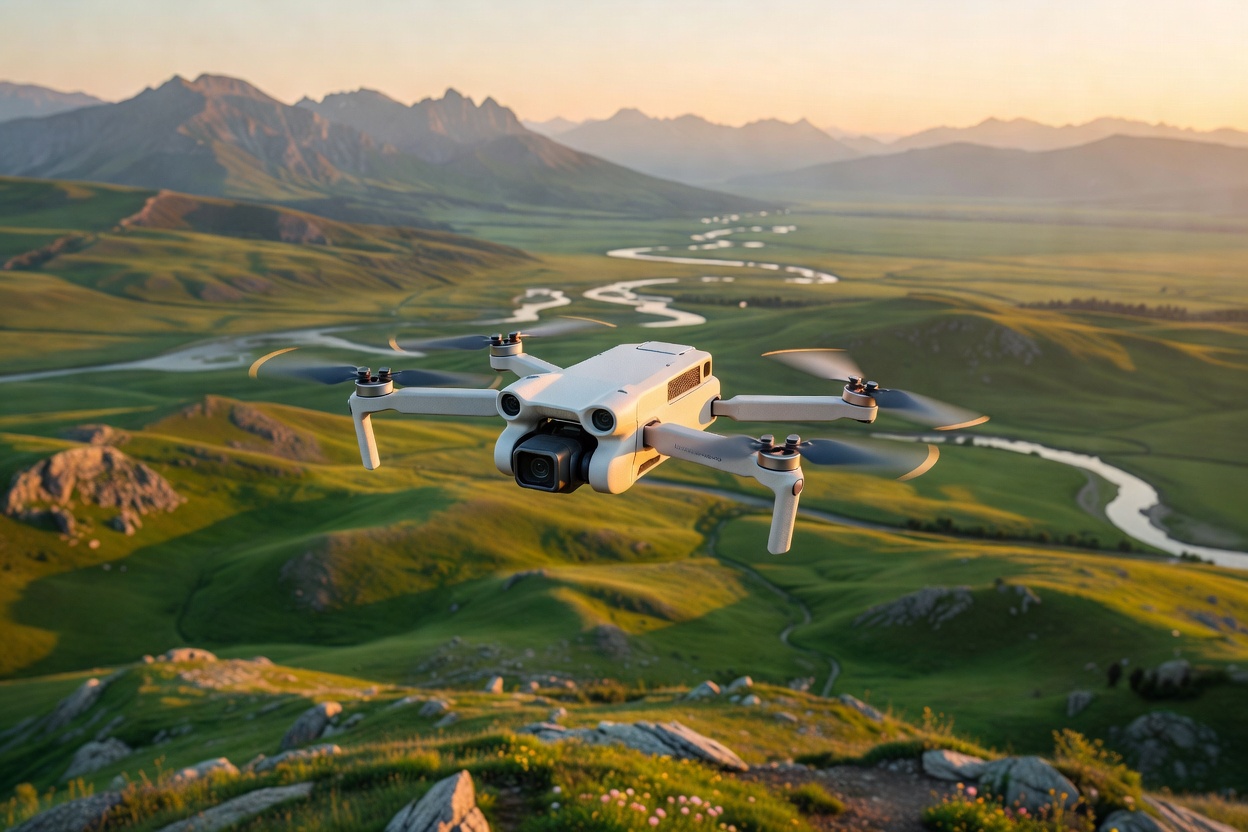
The DJI Mini 3 sits one step above the Mini 4K. Its headline upgrade is a much larger 1/1.3-inch sensor, which captures cleaner images and handles dawn and dusk better, combined with a standard battery rated for up to 38 minutes. It remains under 249 g and keeps DJI's polished flight experience.
Why it suits beginners
- GPS hover and return-to-home: the same safety net as other DJI minis.
- True vertical shooting: the camera rotates so you can record native portrait video for social platforms.
- QuickShots and panoramas: automated moves and stitched wide photos with a single tap.
- Choice of controller: a standard phone-based controller, or DJI's controller with a built-in screen at extra cost.
Camera and video
The 12 MP camera shoots 4K video at up to 30 fps with a 3-axis gimbal, and larger pixels collect more light than the sensors in cheaper drones. If your goal is to share landscapes, sunsets or travel videos at their best, this is the main reason to pay more than for the Mini 4K.
Flight time and range
DJI rates the standard battery at up to 38 minutes and range at up to 10 km under FCC conditions. A higher-capacity battery option exists in some markets but it makes the drone heavier than 250 g, which changes how it is regulated, so check the rules before choosing it.
Pros
- Large sensor with strong image quality
- Up to 38 minutes on the standard battery
- Native vertical video
- Sub-249 g with standard battery
- Refined app and controller options
Cons
- Costs more than other picks
- No omnidirectional obstacle sensing
- Availability may vary as newer models replace it
- Not the lightest for casual use
Who should buy it
Choose the Mini 3 if you are confident about learning, care about image quality and want a drone you will not quickly outgrow. If you mostly want fun and easy clips, the DJI Neo or Potensic Atom SE deliver more value for less.