Key takeaways
- 250 g is a regulatory threshold in many countries.
- Lighter drones often face fewer registration and licensing requirements.
- You must still follow airspace, privacy and safety rules.
- Accessories can push a drone over 250 g.
Why 250 g?
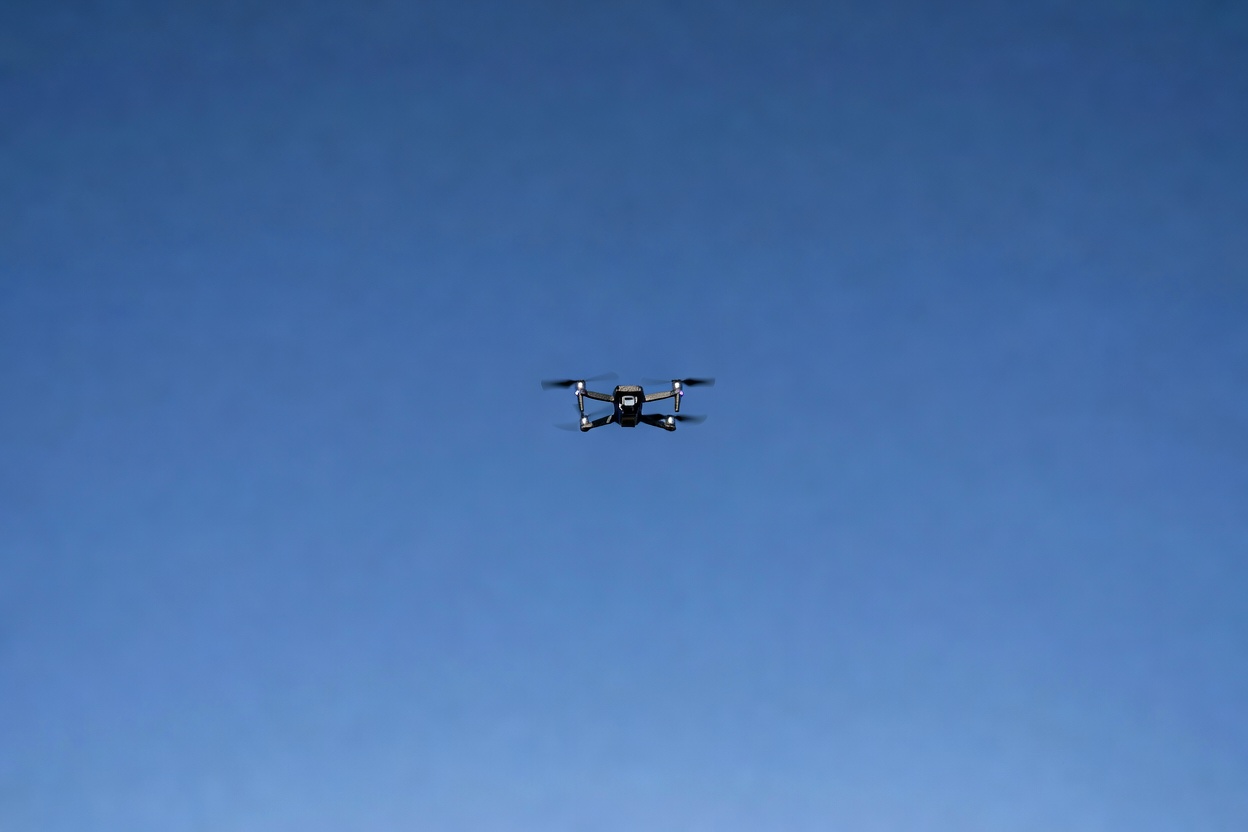
Many aviation authorities use 250 grams as the point where a drone's risk and regulatory requirements change. Because a lighter drone carries less energy in an impact, rules for flying it are usually less demanding. Manufacturers therefore design popular beginner drones, such as the DJI Mini 4K, the DJI Mini 3 and the Potensic Atom SE, to land just under it.
What it can change
- United States: drones of 250 g or more must be registered with the FAA. Recreational flyers of drones under 250 g are not required to register, but all recreational flyers must still pass the TRUST test. If you fly for work or business, registration applies regardless of weight.
- European Union: sub-250 g drones may fly in the "Open" category (subcategory A1), including over uninvolved people in limited circumstances. Operators still need to register if the drone has a camera, with exceptions for toys.
- United Kingdom: requirements depend on the weight and whether the drone has a camera. The UK CAA has been updating its rules, so verify current Flyer ID and Operator ID requirements on the CAA website.
- Canada: drones under 250 g are generally exempt from registration and pilot certification, though safety rules still apply.
What it does not change
- You must keep your drone within visual line of sight and fly below local height limits (400 ft / 120 m in many places).
- Restricted airspace, airports, emergency scenes and no-fly zones still apply.
- Privacy and data-protection laws still apply to filming people.
- You remain responsible for any damage or injury.
Accessories and weight
Adding heavier batteries, propeller guards or accessories can take a drone beyond 250 g. If that happens, the heavier classification and its rules apply. The 135 g DJI Neo and 80 g Ryze Tello are comfortably within the sub-250 g class.
Always verify: regulations change. Confirm current requirements with your national authority; see our rules overview for official links.